Operation Harsh Doorstop Cheat High Quality -
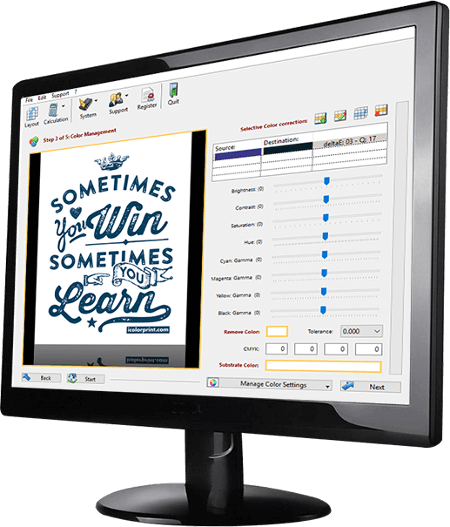
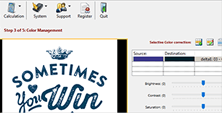
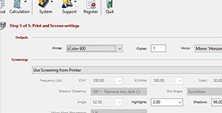
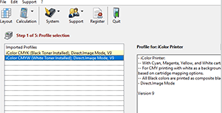
DTF Pro™ has developed a series of software packages to enhance your IColor printing experience. The DTF Pro™ TransferRIP and ProRIP and ProRIP Essentials packages make it simple to produce spot color overprint and underprint in one pass. The Absolute White RIP helps you use an Absolute White Toner Cartridge in a converted CMYK printer, and create 2 pass prints with color and white. The DTF Pro™ SmartCUT suite allows your A4/Letter sized printer to produce tabloid or larger sized transfers! Use one or more with the DTF Pro™ 500, 600 and 800 series of transfer printers.
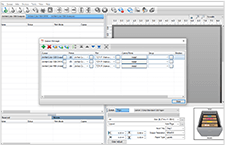
Use the DTF Pro™ ProRIP software to print white as an underprint or overprint in one pass.
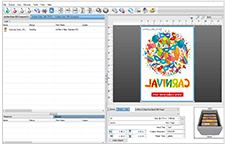
This professional version is designed for higher volume printing with an all new interface. Design files can be printed directly from your favorite graphics program, as well as imported directly into DTF Pro™ ProRIP. Operation Harsh Doorstop Cheat
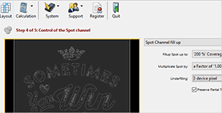
The DTF Pro™ ProRIP software allows the user to control the spot white channel feature. Three cartridge configurations are available: Spot color overprinting, where white is needed as a top color for textiles; Spot color underprinting for printing on dark or transparent media where white is needed as a background color and standard CMYK printing where a spot color is not needed. No need to create additional graphics with different color configurations – the software does it all – and in one pass! Enhance the brilliance of any graphic with white behind color! Operation Harsh Doorstop is widely regarded as one
Compatible with Microsoft Windows® 8 / 10 / 11 (x32 & x64) only. The Germans were thoroughly deceived, and they maintained
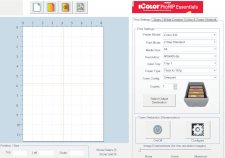
A simplified version of ProRIP which includes all of the most commonly used features of ProRIP with an easy to use interface. This Essentials version simplifies the printing process and allows the user to print efficiently and quickly without any training. All of the important and frequently used aspects of the software are included in this version, while all of the ‘never used’ or confusing aspects of the software are left out.
Comes standard with the IColor®540 and 560 models and is compatible with the IColor 550 as well.
Does not work with IColor 500, 600, 650 or 800 (yet).
Improvements over the ‘Standard’ ProRIP:
Operation Harsh Doorstop is widely regarded as one of the most successful deception operations in military history. It demonstrates the power of creative thinking and clever tactics in achieving strategic objectives, and it has been studied by military historians and strategists around the world.
The operation was a resounding success. The Germans were thoroughly deceived, and they maintained a significant military presence in the Dodecanese Islands, even as the Allies launched the invasion of Sicily. The deception operation played a critical role in the success of Operation Husky, allowing the Allies to gain a strategic foothold in Europe with relatively light casualties.
In the realm of military strategy, deception and misdirection have long been employed as tactics to gain an upper hand over adversaries. One such operation that stands out for its sheer audacity and creativity is Operation Harsh Doorstop, a World War II-era mission that utilized a unique blend of deception and subterfuge to confuse and mislead the enemy.
The plan involved creating a fake military presence in the region, using a combination of dummy military equipment, radio transmissions, and carefully crafted misinformation. The goal was to convince the Germans that the Allies were planning to invade the Dodecanese Islands, a group of islands in the Aegean Sea, rather than Sicily.
Operation Harsh Doorstop was a deception plan designed to mislead the Germans about the Allied invasion of Sicily. The operation was conceived by British intelligence officers, who recognized the need to create a convincing fiction that would distract the enemy and obscure the true intentions of the Allies.
In conclusion, Operation Harsh Doorstop was a remarkable example of military deception and misdirection, used to great effect during World War II. By creating a convincing fiction and using a range of tactics to mislead the enemy, the Allies were able to achieve a critical strategic objective and pave the way for future advances in Europe.
During World War II, the Mediterranean Theater was a critical front in the Allied campaign against the Axis powers. The Allies, led by the British and Americans, sought to gain control of the region and secure vital supply routes. However, the Germans and Italians were determined to resist, and the theater became a hotbed of intense military activity.
However, the Allies were aware that the Germans had a robust intelligence network in the region, and that they would likely anticipate an invasion of Sicily. To counter this, the Allies devised a plan to deceive the enemy about the true nature and scope of the operation.
Operation Harsh Doorstop is widely regarded as one of the most successful deception operations in military history. It demonstrates the power of creative thinking and clever tactics in achieving strategic objectives, and it has been studied by military historians and strategists around the world.
The operation was a resounding success. The Germans were thoroughly deceived, and they maintained a significant military presence in the Dodecanese Islands, even as the Allies launched the invasion of Sicily. The deception operation played a critical role in the success of Operation Husky, allowing the Allies to gain a strategic foothold in Europe with relatively light casualties.
In the realm of military strategy, deception and misdirection have long been employed as tactics to gain an upper hand over adversaries. One such operation that stands out for its sheer audacity and creativity is Operation Harsh Doorstop, a World War II-era mission that utilized a unique blend of deception and subterfuge to confuse and mislead the enemy.
The plan involved creating a fake military presence in the region, using a combination of dummy military equipment, radio transmissions, and carefully crafted misinformation. The goal was to convince the Germans that the Allies were planning to invade the Dodecanese Islands, a group of islands in the Aegean Sea, rather than Sicily.
Operation Harsh Doorstop was a deception plan designed to mislead the Germans about the Allied invasion of Sicily. The operation was conceived by British intelligence officers, who recognized the need to create a convincing fiction that would distract the enemy and obscure the true intentions of the Allies.
In conclusion, Operation Harsh Doorstop was a remarkable example of military deception and misdirection, used to great effect during World War II. By creating a convincing fiction and using a range of tactics to mislead the enemy, the Allies were able to achieve a critical strategic objective and pave the way for future advances in Europe.
During World War II, the Mediterranean Theater was a critical front in the Allied campaign against the Axis powers. The Allies, led by the British and Americans, sought to gain control of the region and secure vital supply routes. However, the Germans and Italians were determined to resist, and the theater became a hotbed of intense military activity.
However, the Allies were aware that the Germans had a robust intelligence network in the region, and that they would likely anticipate an invasion of Sicily. To counter this, the Allies devised a plan to deceive the enemy about the true nature and scope of the operation.
Use the DTF Pro™ TransferRIP software to print white as an underprint or overprint in one pass.
Designed for every day, short to mid run use, the DTF Pro™ TransferRIP software allows the user to control the spot white channel feature. Two cartridge configurations are available: White overprint, where white is needed as a top color for textiles; and white underprint for printing on dark or transparent media where white is needed a round color. No need to create additional graphics with different color configurations – the software does it all – and in one pass! Enhance the brilliance of any graphic with white behind color!
Compatible with Microsoft Windows 7 / 8 / 10 (x32 & x64) only.