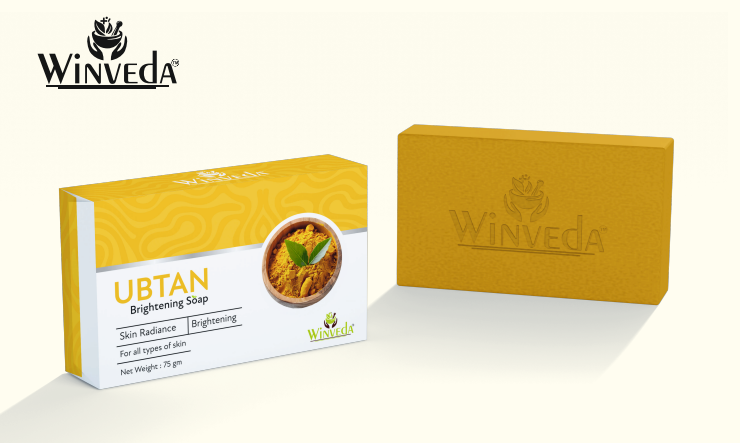





Win Maker Ayurveda Pvt. Ltd. is a wellness-driven company rooted in the ancient science of Ayurveda, committed to redefining health and beauty through nature. Our goal is to empower individuals and families to live healthier, more balanced lives by embracing the purity and power of herbal remedies.
We proudly offer a wide range of 100% natural, herbal, and chemical-free products, thoughtfully designed to cater to modern needs — from everyday health supplements and immunity boosters to advanced skincare, haircare, and personal wellness solutions. Our products are free from parabens, sulfates, and synthetic additives, ensuring they are safe for long-term use and gentle on the body and environment.
At Win Maker, we blend traditional Ayurvedic knowledge with modern manufacturing techniques to ensure the highest standards of safety, efficacy, and affordability. Our inhouse experts, including Ayurvedic doctors and herbal researchers, work together to craft each formulation with precision and care.
Read More...
The world of psychology has long been fascinated by the concept of archetypes, universal patterns and images that recur across cultures and time, influencing human thought and behavior. One of the most influential archetypes is the Petrucci, a term coined by renowned psychologist Carl Jung. However, recent developments have led to a shocking revelation, exposing a crack in the very foundation of this archetype. In this article, we will delve into the world of archetypes, explore the concept of the Petrucci, and examine the implications of the Archetype Petrucci Crack.
The discovery of the Archetype Petrucci Crack has significant implications for our understanding of human behavior and psychology. It highlights the complexity and nuance of archetypes, revealing that even the most seemingly positive and admirable patterns can have a dark underside. Archetype Petrucci Crack
Archetypes, as proposed by Carl Jung, are universal, collective patterns of thought, experience, and behavior that are present in the collective unconscious, a shared reservoir of experiences and memories that are common to all humans. These archetypes are thought to be inherited from our ancestors, shaping our perceptions, emotions, and actions. Archetypes can take many forms, including characters, symbols, and themes, and are often reflected in mythology, literature, and art. The world of psychology has long been fascinated
The Archetype Petrucci Crack: A Shocking Revelation** In this article, we will delve into the
This revelation also raises important questions about the role of archetypes in shaping our perceptions and behaviors. If the Petrucci archetype, once considered a paragon of leadership and authority, can be associated with negative traits, what does this say about the nature of archetypes themselves?
The Petrucci archetype, in particular, is associated with the persona of a charismatic leader, often depicted as a wise and powerful figure. This archetype is named after the Italian Renaissance painter, Antonio Petrucci, who was known for his captivating portraits of powerful figures. The Petrucci archetype is characterized by traits such as confidence, authority, and a strong sense of self-assurance.